The must-try traditional Egyptian dishes are koshari, ful medames, taamiya, molokhia, mahshi, hawawshi, and celebratory plates like fattah—followed by desserts such as kunafa, basbousa, and Om Ali, plus classic drinks like karkadeh and sugarcane juice. If you try these staples, you’ll taste Egypt’s everyday life as clearly as you see its monuments.
Egyptian food is hearty, bold, and built around simple ingredients—beans, lentils, rice, bread, herbs, garlic, and slow-cooked comfort. Whether you’re eating on a Cairo sidewalk or sharing a family-style meal along the Nile, these dishes are the flavors people remember.
The Must-Try Traditional Egyptian Dishes
1) Koshari — The Iconic Street-Food Bowl
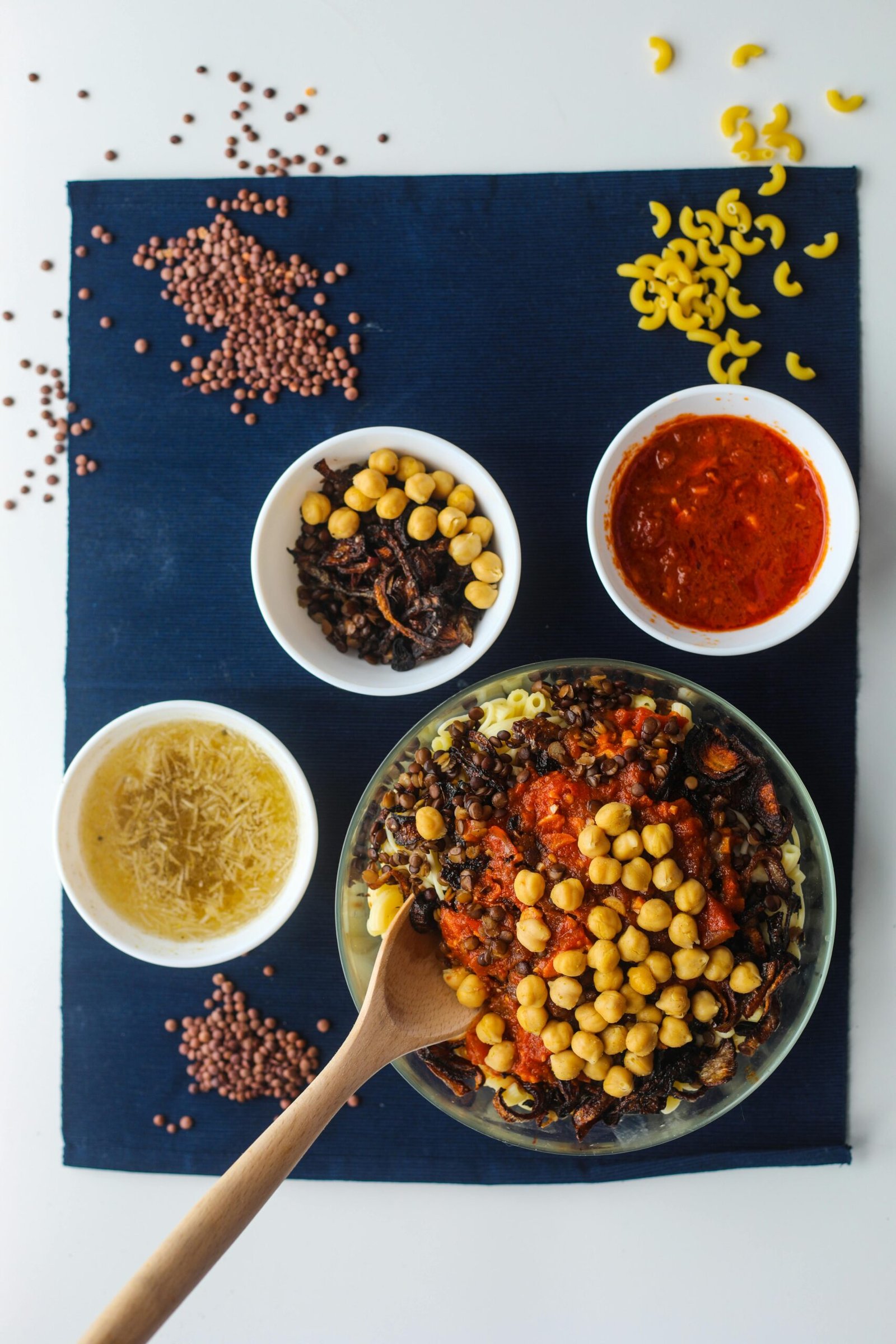
If Egypt had one comfort dish to represent it, koshari would be the front-runner.
It’s a satisfying mix of:
-
Lentils
-
Rice
-
Pasta
-
Crispy onions
-
Tomato-garlic sauce
-
Spicy vinegar (often served on the side)
Koshari is messy in the best way—warm, filling, and addictive. You’ll find it everywhere, from tiny street shops to well-known chains like Koshary El Tahrir.
How to order it like a local
Ask for your preferred heat level. Many places let you control spice and vinegar so you can build your perfect bowl.
2) Ful Medames — The Breakfast That Fuels the Country
Ful medames is a slow-cooked fava bean dish that’s deeply tied to daily Egyptian life.
It’s commonly served with:
-
Olive oil
-
Lemon
-
Cumin
-
Baladi bread
-
Optional add-ons like eggs or vegetables
It’s comforting, inexpensive, and one of the most “everyday Egypt” meals you can eat.
3) Taamiya — Egyptian Falafel With a Green Heart
While falafel in many countries is made from chickpeas, Egyptian taamiya uses fava beans, giving it a vibrant green interior and a softer, fluffier bite.
It’s usually served with:
-
Tahini
-
Fresh vegetables
-
Warm bread
Perfect for breakfast, lunch, or a quick snack between sightseeing stops.
4) Molokhia — The Love-It-or-Hate-It Legend
Molokhia is a silky green stew made from finely chopped jute leaves, typically cooked with garlic and coriander.
People eat it with:
-
Rice
-
Bread
-
Roast chicken or rabbit (common pairings)
The texture is unique, but if you like garlicky, comforting stews, it can become a favorite fast.
5) Mahshi — Stuffed Vegetables, Home-Style Comfort
In Egypt, stuffed vegetables aren’t just food—they’re an art form.
Mahshi can include:
-
Zucchini
-
Bell peppers
-
Eggplant
-
Grape leaves
-
Cabbage rolls
They’re filled with herbed rice and slow-cooked in a tomato broth. Warm, aromatic, and the definition of “someone cooked for you.”
6) Hawawshi — The Crispy Meat-Stuffed Pocket
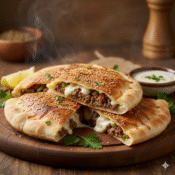
Hawawshi is street food at its best: spiced minced beef baked inside bread until crisp outside and juicy inside.
Common flavors include:
-
Onions
-
Peppers
-
Herbs and warming spices
It’s fast, bold, and easy to eat on the go.
7) Fattah — The Celebration Dish
Fattah is associated with holidays and big gatherings. It’s rich, layered, and built to feed a table.
Typical layers include:
-
Crispy bread
-
Rice
-
Garlic-vinegar sauce
-
Slow-cooked lamb or beef
-
Tomato broth
If you’re invited to a family meal and fattah appears, you’re being treated.
8) Sayadeya — Coastal Fish and Rice Done Right
From Alexandria and Egypt’s northern coast, sayadeya is a fish-and-rice dish cooked with caramelized onions, spices, and seafood stock.
It’s simple, savory, and deeply flavorful—especially if you like “comfort food” with a sea breeze vibe.
9) Hamam Mahshi — Stuffed Pigeon for the Adventurous
Hamam mahshi (stuffed pigeon) is a classic delicacy for travelers who want to go beyond the basics.
It’s typically stuffed with:
-
Spiced freekeh or rice
-
Herbs
-
Sometimes cinnamon and nuts
Roasted until tender, it’s small but intensely flavorful.
Egyptian Desserts You Shouldn’t Skip
Kunafa — The Crunchy, Creamy Favorite
Kunafa is a golden shredded pastry stuffed with:
-
Cream
-
Cheese
-
Nuts
-
Sometimes chocolate (modern versions)
Finished with syrup, it’s crunchy and creamy at once.
Basbousa — Syrupy Semolina Comfort
Basbousa is a soft semolina cake soaked in syrup, often topped with almonds or coconut.
Om Ali — Warm, Rich Bread Pudding
Om Ali is a baked dessert made with flaky pastry, milk, nuts, raisins, and sugar. It’s especially comforting on cooler evenings.
Traditional Egyptian Drinks to Try
Egypt’s food culture comes with signature drinks that match the weather and the pace of the day.
Try:
-
Karkadeh (hibiscus tea): tart, ruby-red, refreshing
-
Asab (sugarcane juice): sweet, energizing, iconic
-
Sahlab: creamy winter drink often topped with nuts and cinnamon
Comparison Table: What to Try First (By Mood)
| If you want… | Try this | Why it fits |
|---|---|---|
| A big, filling local classic | Koshari | Hearty, iconic, widely available |
| A true Egyptian breakfast | Ful medames | Daily staple with simple, satisfying flavors |
| A crunchy street snack | Taamiya | Quick, flavorful, easy to find |
| A home-cooked comfort dish | Mahshi | Warm, aromatic, “family table” feeling |
| Something bold and meaty | Hawawshi | Crispy outside, juicy spiced filling |
| A special occasion plate | Fattah | Rich layers, classic celebration food |
| Coastal flavors | Sayadeya | Fish + caramelized onions + spiced rice |
| A famous dessert moment | Kunafa | Crunchy, creamy, syrupy perfection |
Which Traditional Egyptian Dish Is Best for You?
Choose your first bites based on your taste:
-
If you prefer vegetarian-friendly staples: koshari, ful medames, taamiya, mahshi (often meat-free)
-
If you love garlic and deep flavor: molokhia or fattah
-
If you want “street food energy”: hawawshi and taamiya
-
If you’re a dessert-first traveler: kunafa, basbousa, Om Ali
-
If you want something adventurous: hamam mahshi
A good strategy is to start with koshari + taamiya on day one, then try a home-style dish (mahshi or molokhia) when you sit down for a slower meal.
Tips for Eating in Egypt Like a Local
-
Street food can be incredible—pick busy, clean vendors with high turnover.
-
Eat with baladi bread whenever you can; it’s part of the experience.
-
Expect generous portions, especially for comfort dishes.
-
Don’t overthink dessert shops—walk in and try what looks freshest.
-
Tea and hospitality often come together—say yes if you’re offered a cup.
Final Thoughts
Traditional Egyptian food is soulful and memorable because it’s tied to daily life—breakfast routines, street corners, family gatherings, and long-standing recipes. From the crunch of taamiya to the comfort of ful and the sweetness of kunafa, these flavors tend to follow travelers long after they leave.

4. FAQ Section
1) What is the most popular traditional Egyptian dish?
Koshari is one of the most popular traditional Egyptian dishes because it’s filling, affordable, and found everywhere. Its mix of lentils, rice, pasta, sauces, and crispy onions makes it a signature comfort meal for locals and an easy first try for visitors.
2) What do Egyptians typically eat for breakfast?
Many Egyptians eat ful medames for breakfast, often with olive oil, lemon, cumin, and baladi bread. Taamiya is also common, either on its own or in a sandwich, making breakfast hearty, flavorful, and built around fava beans.
3) Is Egyptian falafel different from regular falafel?
Yes—Egyptian taamiya is usually made from fava beans instead of chickpeas, which gives it a greener color inside and a softer, fluffier texture. It’s commonly served with tahini, vegetables, and bread, and it’s widely available throughout Egypt.
4) What is molokhia, and why do people talk about its texture?
Molokhia is a green stew made from chopped jute leaves cooked with garlic and coriander. People often discuss its texture because it can be silky and slightly viscous, which is unusual for some visitors. Many locals love it with rice or bread.
5) What are the best Egyptian desserts to try?
Top Egyptian desserts include kunafa, basbousa, and Om Ali. Kunafa is crunchy and syrupy with cream or cheese fillings, basbousa is a soft semolina cake soaked in syrup, and Om Ali is a warm baked dessert with pastry and nuts.
6) What are popular drinks to try in Egypt?
Popular drinks in Egypt include karkadeh (hibiscus tea), asab (fresh sugarcane juice), and sahlab. Karkadeh is tart and refreshing, sugarcane juice is sweet and energizing, and sahlab is creamy and often topped with nuts and cinnamon.
7) Is Egyptian street food safe to eat?
Egyptian street food can be very enjoyable when you choose busy vendors that look clean and have high turnover. Freshly cooked items like taamiya and hawawshi are common choices. Drinking bottled beverages and staying mindful of hygiene helps many travelers.
8) What should I try if I only have one day in Egypt?
If you have one day, try koshari for a national comfort meal, taamiya for classic street food, and finish with kunafa or basbousa for dessert. Add karkadeh or sugarcane juice to round out the experience with a traditional local drink.