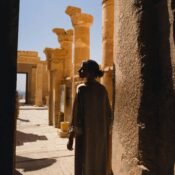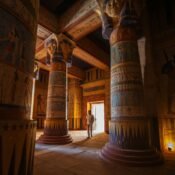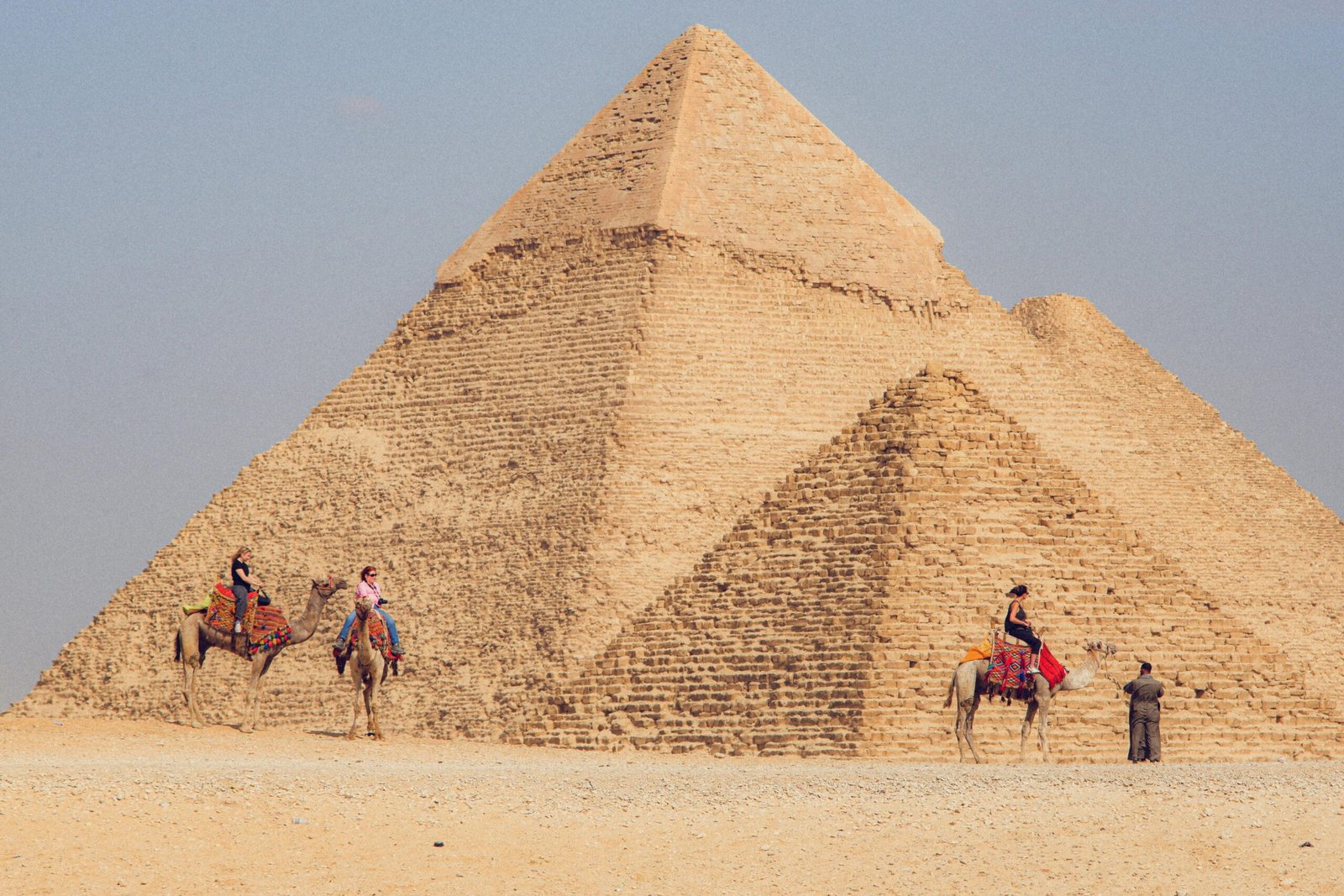
The best things to do in Egypt include exploring the Pyramids of Giza, visiting Cairo’s legendary museum collections, cruising the Nile between Luxor and Aswan, and balancing ancient history with beach time on the Red Sea. If you plan smart—early starts, good guides, and the right seasons—you can fit in a trip that feels both iconic and deeply personal.
Below are the top experiences to build your itinerary around, with practical tips for each.
1) Explore the Pyramids of Giza and the Great Sphinx
No list of things to do in Egypt is complete without the Giza Plateau. The Great Pyramid dominates the desert horizon, and the Sphinx adds a powerful sense of mystery and scale.
Tips for visiting Giza
-
Arrive early to avoid crowds and midday heat.
-
Consider a camel or horse ride for a wide desert perspective.
-
If you enjoy evening atmosphere, consider the Sound and Light Show.
2) Discover the Treasures of the Egyptian Museum in Cairo
Cairo’s Egyptian Museum is packed with artifacts spanning thousands of years of history, including famous treasures linked to Tutankhamun.
Tips for the museum
-
Hire a certified guide to understand what you’re seeing.
-
Allow at least 2–3 hours if you want a thorough visit.
3) Cruise the Nile Between Luxor and Aswan
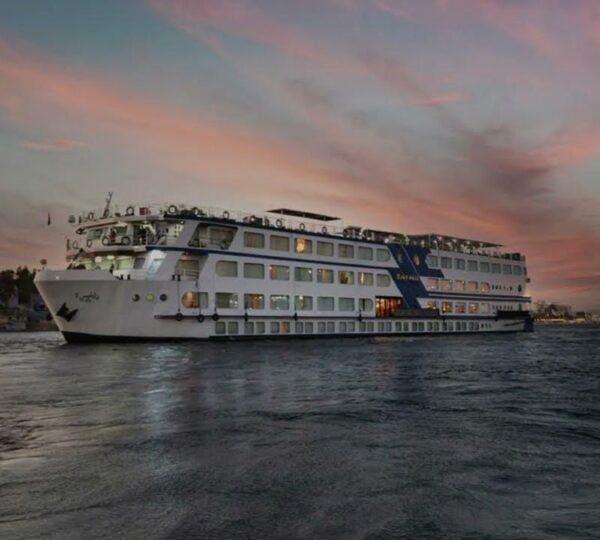
A Nile cruise is one of the most iconic things to do in Egypt because it combines comfort with daily temple visits and scenery from the water.
Common highlights on a Nile cruise
-
Temples of Kom Ombo and Edfu
-
Sunset views from the deck
-
Onboard dining and cultural entertainment
4) Visit Luxor’s West Bank
Luxor’s West Bank is a concentrated dose of ancient Egypt, and it’s often the most memorable day (or two) of an entire trip.
Must-see sites
-
Valley of the Kings — royal tombs, including Tutankhamun
-
Temple of Hatshepsut — dramatic cliffs and distinctive architecture
-
Colossi of Memnon — towering statues guarding the area
Tip: Start early to avoid the heat and large tour groups.
5) Explore Aswan and Philae Temple
Aswan feels calmer and culturally rich, making it a great counterbalance to Cairo and Luxor.
Highlights in Aswan
-
Philae Temple on a scenic island, dedicated to Isis
-
Unfinished Obelisk, showing stone-carving techniques
-
Optional felucca sail at sunset for a peaceful river moment
6) Experience Abu Simbel
The Abu Simbel temples are monumental—famous for colossal statues and detailed interiors that leave a lasting impression.
Tips for Abu Simbel
-
Visit early morning if possible.
-
Reach it via a short flight or road trip from Aswan.
7) Wander the Streets of Cairo
Cairo isn’t just a gateway—it’s one of the most dynamic things to do in Egypt if you like street life, architecture, and local markets.
What to explore in Cairo
-
Islamic Cairo — historic mosques and narrow streets
-
Khan El-Khalili Bazaar — spices, jewelry, souvenirs
-
Coptic Cairo — ancient churches and Christian history
8) Relax at the Red Sea
If your ideal trip mixes history with downtime, Red Sea resorts are a natural add-on.
Popular Red Sea areas
-
Hurghada and Sharm El Sheikh for snorkeling, diving, and resort comfort
-
Coral reefs, clear water, and water sports for both adventure and relaxation
9) Discover Siwa Oasis
Siwa is perfect when you want quieter landscapes and a more off-the-beaten-path feel.
What makes Siwa special
-
Desert scenery, palm groves, and salt lakes
-
Ancient ruins
-
Traditional Berber culture
Tip: Great for travelers who want adventure and solitude.
10) Take a Sunrise Hot Air Balloon Ride Over Luxor
A sunrise balloon ride gives you sweeping views of temples, the Nile, and desert—one of the most photogenic things to do in Egypt.
Best moment: sunrise, when the light is soft and the landscape looks endless.
Quick Comparison: Which Egypt Experiences Fit Your Travel Style?
| Experience | Best for | Time needed | Best time of day |
|---|---|---|---|
| Giza Pyramids + Sphinx | First-timers, photographers | Half day | Early morning / late afternoon |
| Egyptian Museum (Cairo) | History lovers | 2–3 hours | Morning |
| Nile Cruise (Luxor–Aswan) | Comfort + temples | Several days | All day (cruise schedule) |
| Luxor West Bank | Ancient sites focus | Half to full day | Early morning |
| Aswan + Philae | Relaxed culture + scenery | Half to full day | Late afternoon + sunset sail |
| Red Sea (Hurghada/Sharm) | Beach + water sports | 2–5 days | Morning water time |
| Siwa Oasis | Adventure + solitude | 2–3 days | Morning/evening outdoors |
| Hot air balloon (Luxor) | Views + photos | 2–3 hours | Sunrise |
Which Option Is Best for You?
-
First trip, limited planning time: Giza + Egyptian Museum + Nile cruise (Luxor–Aswan).
-
You want maximum ancient history: Add Luxor West Bank + Abu Simbel.
-
You want balance (history + rest): Add 2–4 days on the Red Sea after temples.
-
You want something different and quiet: Add Siwa Oasis for a desert-focused break.
-
You love photography: Prioritize sunrise balloon in Luxor and early mornings at Giza.
Practical Tips for Travelers
Best time to visit
October to April is often preferred for milder temperatures.
What to wear
Light, breathable clothes, plus:
-
Hat, sunglasses, sunscreen
-
Comfortable walking shoes
Guides
Hiring licensed guides (Egyptologists for ancient sites) can make major attractions far more meaningful.
Transportation
-
Use flights for long distances
-
Use Nile cruises for scenic travel
-
Use private cars for flexibility
Conclusion
Egypt blends ancient wonders with living culture in a way few places can match. Whether you’re standing before the Pyramids, cruising the Nile, diving in the Red Sea, or wandering Cairo’s historic quarters, these top things to do in Egypt create a trip that feels rich, layered, and unforgettable.
4. FAQ Section
1) What are the top things to do in Egypt for a first-time visitor?
Top things to do in Egypt for first-timers include visiting the Pyramids of Giza and the Sphinx, exploring Cairo’s Egyptian Museum, and taking a Nile cruise between Luxor and Aswan. These experiences cover Egypt’s most famous history, scenery, and culture in one trip.
2) How many days do I need in Egypt to see the highlights?
To cover the main highlights, many travelers plan enough time for Cairo plus Luxor and Aswan, with optional additions like Abu Simbel or the Red Sea. Your ideal length depends on whether you want a fast overview or a slower pace with beach time.
3) Is a Nile cruise worth it if I’m short on time?
A Nile cruise can still be worth it because it bundles transport, meals, and temple visits into one smooth experience. If your schedule is tight, focus on the Luxor–Aswan segment and choose an itinerary that includes key stops like Edfu and Kom Ombo.
4) What should I prioritize: Cairo, Luxor, or the Red Sea?
Prioritize Cairo and Luxor if ancient history is your main goal, since they cover the Pyramids, major museums, and the Valley of the Kings. Prioritize the Red Sea if you want beach relaxation, snorkeling, diving, and resort time to balance busy sightseeing days.
5) What’s the best time of year to visit Egypt?
Many travelers prefer visiting Egypt from October to April because temperatures are usually milder and sightseeing is more comfortable. Cooler weather can make long walking days at sites like Giza and Luxor easier, especially if you plan early starts.
6) Do I need a guide for Egypt’s historical sites?
A licensed guide can significantly improve your experience at major historical sites by adding context, stories, and explanations that aren’t obvious from the structures alone. This is especially helpful at complex places like the Egyptian Museum, Luxor’s West Bank, and temple sites along the Nile.
7) Is Abu Simbel doable as a day trip?
Abu Simbel is commonly visited from Aswan and can be reached by a short flight or a road trip. Many travelers aim for an early start to enjoy cooler conditions and better lighting, especially if Abu Simbel is a key highlight of their itinerary.
8) What are the best things to do in Egypt beyond Cairo and Luxor?
Beyond Cairo and Luxor, popular things to do in Egypt include relaxing at Red Sea resorts like Hurghada or Sharm El Sheikh, exploring Aswan and Philae Temple, and visiting Siwa Oasis for desert landscapes, salt lakes, and a quieter cultural experience.