Best Egyptian Food: A Practical Food Guide for Tourists (Dishes, Street Food, Prices & Safety)
Egyptian Food: Must-Try Dishes, Desserts, Drinks, and Dining Tips
Egyptian cuisine is filling, flavourful, and usually easy to enjoy as a first-time visitor. It is built around bread, beans, rice, vegetables, and grilled meats, with garlic, lemon, and spices like cumin doing a lot of the work.
This guide focuses on practical choices: what to order, what it tastes like, where to find it (types of places, not brands), how much it may cost, and how to lower the risk of stomach trouble.
Introduction: what “Egyptian food” is like for first-time visitors
Egyptian food is often “comfort food” at heart. Many everyday meals use simple, affordable ingredients: fava beans, lentils, chickpeas, rice, pasta, potatoes, tomatoes, onions, garlic, herbs, and flatbread. When meat is used, it is often grilled (kofta/kebab), roasted, or cooked into stews.
For most tourists, the biggest surprises are:
-
How filling it is. A “small” plate can still be a full meal.
-
How bread is part of the meal. Bread is not just a side; it is used to scoop and share.
-
How spice works. Many dishes are not very hot by default, but you can add heat with chilli sauce and pickles.
-
How vegetarian-friendly it can be. Beans and legumes are everyday staples, not “special diet” food.
Because hygiene standards can vary between places, this guide also includes food safety tips based on widely used public health advice, so you can enjoy the best Egyptian food with fewer worries.
Best Egyptian Food at a Glance
The best Egyptian food to try first is usually the food Egyptians eat every day: koshari, ful, ta’ameya, grilled meats, and a few classic desserts. If you choose busy places and focus on hot, freshly cooked food, your chances of a smooth food experience are much higher.
Best Egyptian food “starter picks” (top 10)
-
Koshari (lentils + rice + pasta + tomato sauce + crispy onions)
-
Ful medames (slow-cooked fava beans)
-
Ta’ameya (Egyptian falafel made from fava beans)
-
Aish baladi + white cheese + olives (simple breakfast combo)
-
Feteer meshaltet (flaky layered pastry, sweet or savoury)
-
Grilled kofta/kebab (often served with bread and salads)
-
Molokhia (green soup/stew with garlic and coriander)
-
Mahshi (stuffed vegetables with rice/herbs)
-
Hawawshi (spiced meat baked in bread)
-
Basbousa or kunafa (classic syrup sweets)
Where tourists usually find these foods
-
Street / quick take-away: sandwiches (ta’ameya, shawarma, kebda), koshari counters, juice stands
-
Local restaurants (“baladi” style): grills, stews, mahshi, molokhia, mixed platters
-
Hotel buffets: safer “soft landing” for sensitive stomachs; less local feeling but predictable
Best Egyptian Food at a Glance table (approximate)
Prices change often in Egypt, especially in tourist areas. Treat these ranges as a rough planning tool, not a promise. At the time of writing, paying in cash (EGP) is still common for small places.
| Dish | What it is | Where you’ll likely find it | Approx. price (EGP) | Vegetarian-friendly? |
|---|---|---|---|---|
| Koshari | Lentils, rice, pasta, tomato sauce, crispy onions | Koshari shops, food counters | 50–150 | Yes (usually vegan) |
| Ful medames | Fava beans with oil/lemon/spices | Breakfast spots, carts, cafes | 20–80 | Yes (ask about butter) |
| Ta’ameya sandwich | Fava-bean fritters in bread with salad/pickles | Street stalls, sandwich shops | 25–80 | Yes (veg) |
| Feteer meshaltet | Flaky layered pastry (sweet or savoury) | Bakeries, cafes | 60–250 | Sometimes (depends on filling) |
| Kofta/kebab | Grilled minced meat or chunks | Grill restaurants | 180–600 | No |
| Molokhia | Green soup/stew (often with chicken/rabbit) | Local restaurants | 120–350 | Sometimes (ask for meat-free) |
| Mahshi | Stuffed veg with rice/herbs | Home-style restaurants | 120–350 | Often yes (confirm no meat) |
| Hawawshi | Spiced meat baked in bread | Bakeries, street-food shops | 60–200 | No |
| Roz bel laban | Rice pudding | Dessert shops, cafes | 40–150 | Yes (contains dairy) |
| Basbousa / Kunafa | Syrup sweets | Pastry shops | 20–120 per piece | Often vegetarian |
If you only try 5 things
If time is short, a balanced “first trip” food list is:
-
koshari, 2) ful, 3) ta’ameya, 4) grilled kofta, 5) one classic dessert (basbousa or kunafa).
What are the most famous Egyptian dishes?
The most famous Egyptian dishes are simple, filling staples you can find almost everywhere: koshari, ful medames, ta’ameya, grilled kofta/kebab, and a few home-style stews like molokhia and mahshi. If you learn these names, reading menus becomes much easier.
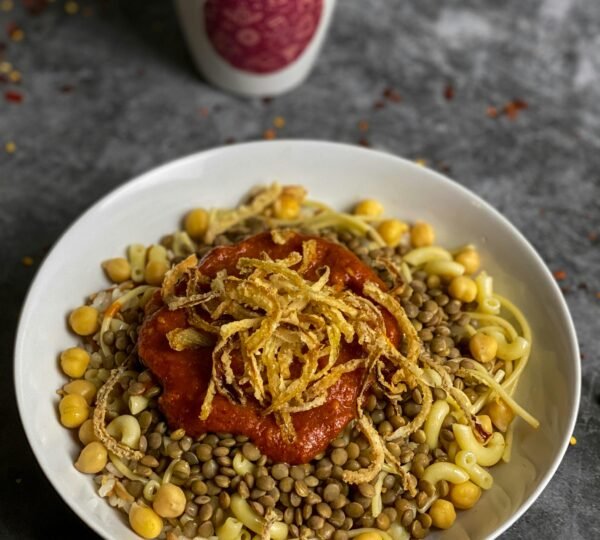
Koshari: the “national dish” style comfort food
Koshari is a mix of lentils, rice, pasta, and crispy fried onions, usually topped with a tomato sauce. Many places also offer chickpeas, garlic vinegar, and chilli sauce on the side.
Why tourists love it:
-
It is vegetarian in many places (often fully vegan).
-
It is cheap, filling, and easy to find.
-
You can control the spice level yourself.
Ordering tips:
-
Ask for sauce on the side if you have a sensitive stomach.
-
Start with “mild” and add chilli slowly.
Cultural note: Koshari was inscribed on UNESCO’s Representative List of the Intangible Cultural Heritage of Humanity in 2025, recognising the practices and daily life around the dish. UNESCO
Ful medames: the everyday breakfast hero
Ful (fava beans) is one of the most common Egyptian breakfast foods. It is usually slow-cooked, then mixed with olive oil (or another oil), lemon, salt, cumin, and sometimes garlic.
What it tastes like:
-
Warm, soft, savoury, slightly tangy with lemon
-
Simple but satisfying
Where to find it:
-
Breakfast cafes
-
Local diners
-
Street carts (especially mornings)
Ordering tips:
-
Say how you want it: more lemon, more oil, no chilli.
-
Eat it with bread (aish baladi) and maybe a boiled egg or cheese.
Ta’ameya: Egyptian falafel (made with fava beans)
In many countries, falafel is made from chickpeas. In Egypt, the classic version (ta’ameya) is usually made from fava beans, which makes it:
-
Softer inside
-
Often greener inside (herbs)
-
Very fresh-tasting
How tourists often eat it:
-
As a sandwich in baladi bread
-
With salad, tahini sauce, pickles, and sometimes fries
Ordering tips:
-
Ask for “no salad” if you are being cautious about raw vegetables.
-
Ask them to fry it fresh if it is not busy.
Feteer meshaltet: flaky layered pastry (sweet or savoury)
Feteer is a layered pastry that can be:
-
Sweet: honey, powdered sugar, jam
-
Savoury: cheese, minced meat, herbs
What it tastes like:
-
Rich and buttery (or ghee-like), crisp edges, soft inside
Where to find it:
-
Bakeries
-
Cafes
-
Some breakfast places (especially tourist-friendly ones)
Practical tip: This can feel heavy. Sharing one between two people is common.
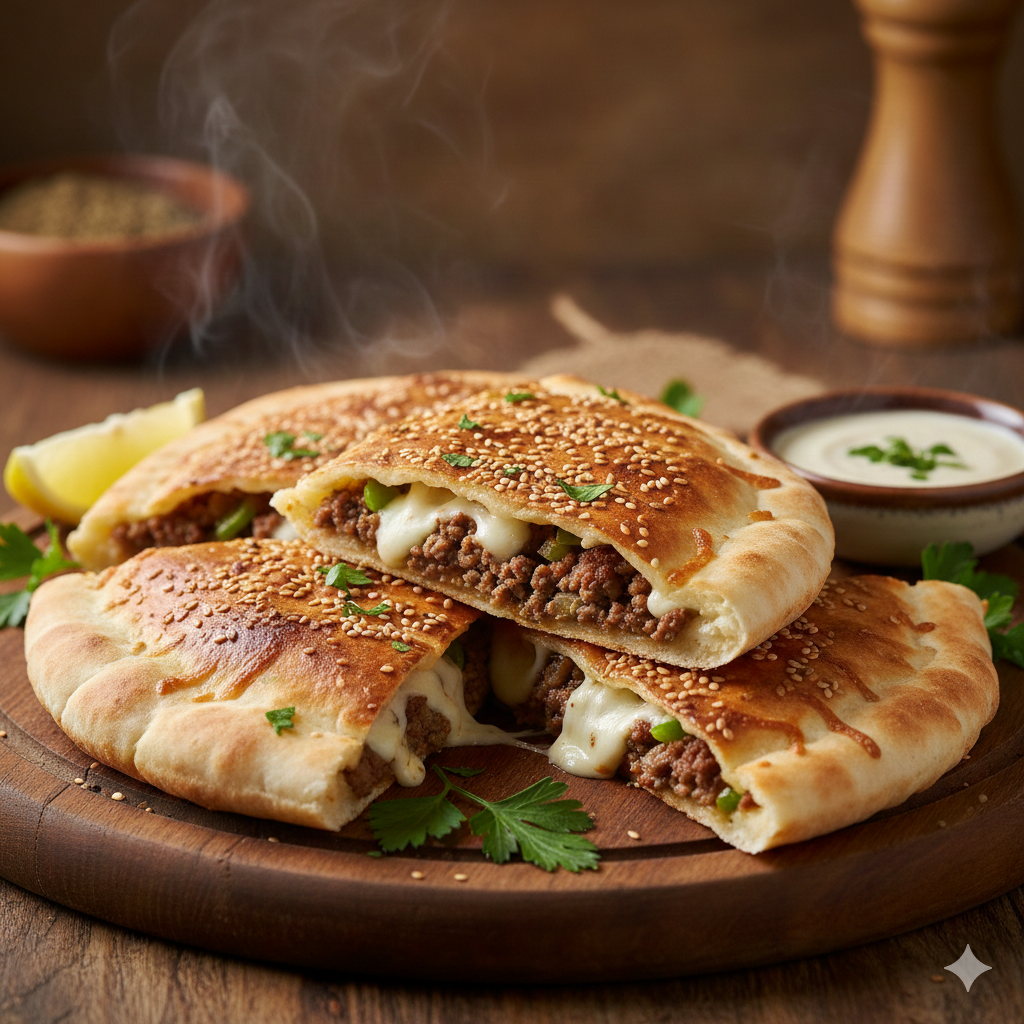
Hawawshi: spiced meat baked in bread
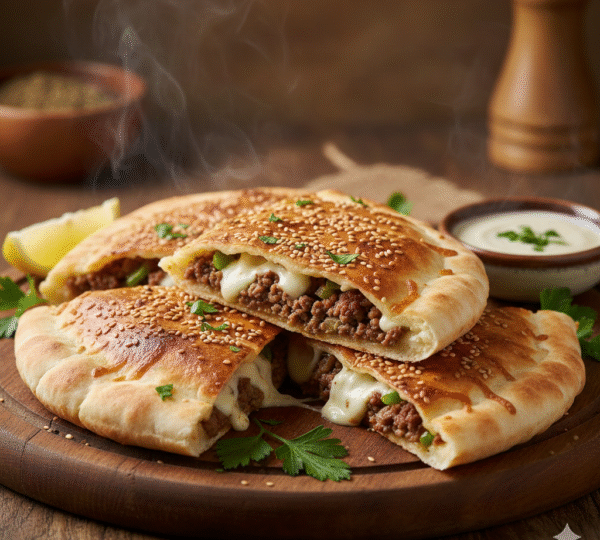
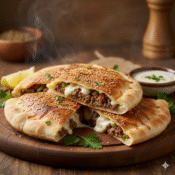
Hawawshi is bread stuffed with spiced minced meat and baked until crisp outside.
What it tastes like:
-
Toasty bread + juicy spiced meat
-
Often with cumin, pepper, onion
Where to find it:
-
Street-food shops
-
Bakeries
Food safety tip: Choose places where hawawshi is baked hot and served immediately.
Kofta, kebab, and grilled chicken: the reliable dinner option
Grilled meats are everywhere in Egypt. Kofta is usually minced meat shaped like a sausage. Kebab is chunks of meat on skewers. Many places also serve grilled chicken.
What it tastes like:
-
Smoky, salty, savoury
-
Often served with rice, bread, tahini, and salads
Ordering tips:
-
Ask for “well done” if you prefer fully cooked meat.
-
If you are cautious, skip raw salads and focus on grilled meat + rice + bread.
Molokhia: the green garlic soup/stew
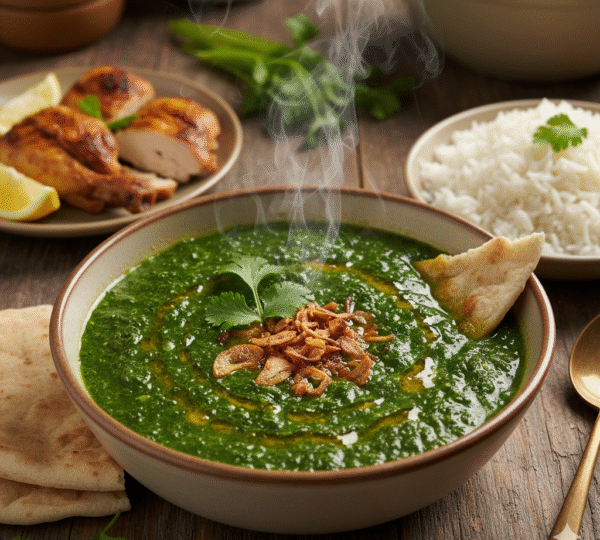
Molokhia is made from leafy greens cooked into a thick soup/stew, usually flavoured with garlic and coriander. It may be served with chicken, rabbit, or sometimes seafood.
What it tastes like:
-
Garlicky, herby, comfort-food style
-
Texture can surprise first-timers (slightly “silky”)
Ordering tips:
-
Ask what protein is used.
-
Ask if there is a vegetarian version (some places can do it, some cannot).
Mahshi: stuffed vegetables
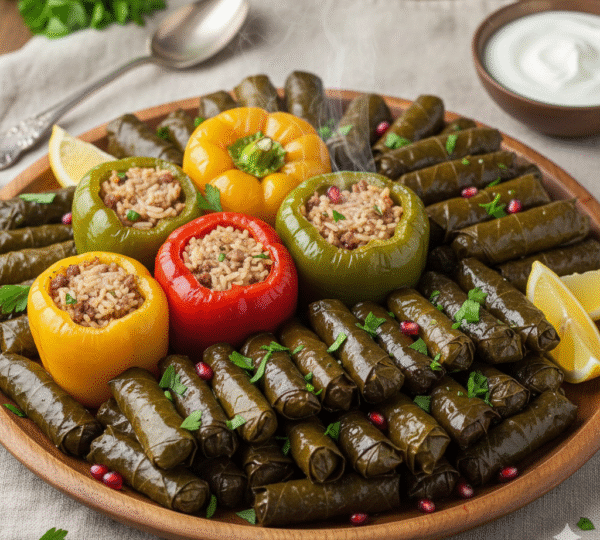
Mahshi means vegetables stuffed with rice, herbs, and spices. Common versions:
-
Stuffed peppers
-
Stuffed zucchini
-
Stuffed eggplant
-
Stuffed grape leaves (warak enab)
What it tastes like:
-
Herby rice, tomato flavour, sometimes a little tang
-
Can be light or rich depending on oil/butter
Ordering tips:
-
Ask if it contains meat (many versions do not, but some do).
Fattah: a festive comfort dish
Fattah is often eaten for celebrations. It usually includes:
-
Rice
-
Bread pieces
-
Garlic vinegar sauce
-
Tomato sauce
-
Meat (commonly lamb or beef)
It is rich and filling. If you see it on a menu, it is worth trying—especially if you want a classic “family event” flavour.
Kebda and sojouk sandwiches: popular, very local street food
Kebda is liver, often quickly cooked with spices. Sojouk is spiced sausage (often beef).
Why tourists like them:
-
Fast, hot, flavourful
-
Good “one sandwich meal”
What to watch for:
-
Choose busy places where meat is cooked fresh and served hot.
What is the best Egyptian food to try first?
If this is your first time in Egypt, the best approach is to start with hot, popular dishes that are cooked in front of you. That usually means koshari, grilled meats, ful, and ta’ameya.
Best first dishes for cautious eaters
-
Koshari (ask for sauce on the side)
-
Grilled chicken + rice
-
Kofta + bread
-
Ful (from a sit-down breakfast place)
-
Rice pudding (roz bel laban) from a busy dessert shop
Best first dishes for adventurous eaters
-
Hawawshi
-
Kebda sandwich
-
Molokhia
-
Mahshi mix plate
-
A seafood meal in Alexandria (if you like fish)
A simple “first 24 hours” food plan
-
Breakfast: ful + ta’ameya + tea
-
Lunch: koshari
-
Dinner: grilled kofta/kebab + rice + bread
-
Dessert: basbousa or kunafa
Egyptian breakfast dishes tourists should try
Egyptian breakfast is usually warm, savoury, and built around beans and bread. If you eat ful and ta’ameya at least once, you have tried a true everyday Egyptian morning meal.
What a typical breakfast looks like
A common breakfast table can include:
-
Ful medames
-
Ta’ameya
-
Aish baladi (bread)
-
White cheese
-
Olives
-
Hard-boiled eggs
-
Tomato/cucumber salad (optional)
-
Tea (shai) or coffee (ahwa)
Ful carts vs sit-down breakfast places
-
Ful carts: very local, fast, cheap; best when busy in the morning
-
Sit-down places: calmer, easier ordering, sometimes cleaner toilets and handwashing access
-
Hotel buffets: safest for sensitive stomachs; less local style
Easy ordering tips at breakfast
-
If you want mild: ask for “no chilli” and add lemon.
-
If you are cautious: skip salad and focus on beans + bread + eggs/cheese.
Egyptian street food: what to eat and how to choose a safe stall
Egyptian street food is one of the easiest ways to try the best Egyptian food on a budget. The smartest strategy is simple: choose busy places, eat hot food, and avoid risky raw items when you are unsure.
Public health travel advice often focuses on exactly these habits—safer food and water choices reduce the risk of traveller’s diarrhea.
Must-try Egyptian street food (tourist-friendly picks)
-
Koshari: often sold from dedicated counters; served hot and fast
-
Ta’ameya sandwich: fried to order in busy spots
-
Shawarma (chicken or beef): choose places with high turnover
-
Hawawshi: baked hot, easy “grab and go”
-
Feteer slices: baked goods can be a safer “backup snack”
-
Fresh juice (with care): sugarcane juice is popular, but skip ice if unsure
“Very local” street foods (try when you feel ready)
-
Kebda (liver sandwich)
-
Sojouk (spiced sausage)
-
Tripe-style dishes (if you see them) – delicious for some travellers, too intense for others
How to choose a safer street food place
Look for:
-
A line of locals (fast turnover)
-
Food cooked on high heat and served hot
-
Staff using tools (tongs/spoons) more than bare hands
-
A cleaner-looking work area (as much as you can judge)
Be more careful with:
-
Sauces sitting warm all day
-
Big bowls of salad in the heat
-
Cut fruit left uncovered
-
Ice from unknown water
What to do if you want street food but feel nervous
-
Start with koshari or baked items (feteer, breads)
-
Choose mid-morning or early evening, when places are busiest
-
Order one item at a time, and see how you feel
Home-style meals and family dishes (what you may see in local restaurants)
Home-style Egyptian food is usually about stews, rice dishes, and stuffed vegetables. If street food is “fast and loud,” home-style dishes are “slow and comforting.”
Common home-style dishes tourists often see
-
Mahshi (stuffed vegetables)
-
Molokhia (green soup/stew)
-
Bamya (okra stew) in some places
-
Rice and chicken variations
-
Mixed mezze plates (tahini, hummus-style dips, salads)
How these meals are served
-
Bread is often used to scoop sauces and dips.
-
Plates may be shared, especially in family-style settings.
-
You may get more food than expected. Sharing is normal.
Egyptian desserts and sweets you should not miss
Egyptian desserts are often sweet, syrupy, and perfect with tea or coffee. If you try just two sweets, kunafa and basbousa are the classic pair.
Kunafa
Kunafa is made with thin pastry strands (or a fine pastry layer), baked with butter/ghee, and soaked in syrup. Some versions include cream or cheese.
Practical tip:
-
It is best fresh and warm. Busy dessert shops are a good sign.
Basbousa
Basbousa is a semolina cake soaked in syrup, often topped with almonds or coconut.
Why tourists like it:
-
Easy to find
-
Not too “strange” in flavour
-
Great with tea
Umm Ali
Umm Ali is a warm bread-and-milk style dessert with nuts and raisins. It is rich and comforting.
Food safety note:
-
Dairy desserts are best from places with fast turnover and good refrigeration.
Roz bel laban (rice pudding)
This is one of the safest-feeling desserts for many tourists: simple, familiar, and widely available.
Where to eat desserts
-
Dessert/pastry shops: biggest variety, often best value
-
Cafes: good for sitting down with tea/coffee
-
Hotel buffets: predictable and easy if you are sensitive
Vegetarian and vegan Egyptian food (easy or hard?)
Eating vegetarian in Egypt is usually easy, because many classic dishes are built around beans, lentils, rice, and vegetables. Vegan is also possible, but you need to ask simple questions about butter, ghee, and stock.
Vegetarian-friendly “default” foods
-
Koshari (often vegan)
-
Ful medames (usually vegan, but confirm no butter)
-
Ta’ameya (vegetarian; often vegan)
-
Many mahshi plates (confirm no meat)
-
Lentil soup (common in some places)
What to ask for (simple)
-
“No meat / no chicken” (for mahshi and stews)
-
“No butter / no ghee” (if vegan)
-
“Sauce on the side” (if sensitive)
Vegetarian-friendly choices table
| Dish | Vegan or vegetarian? | What to ask | Where to find it |
|---|---|---|---|
| Koshari | Usually vegan | “No extra chilli” if you want mild | Koshari shops/counters |
| Ful medames | Often vegan | Confirm oil vs butter; skip salad if cautious | Breakfast places |
| Ta’ameya | Usually vegan | Ask to fry fresh; skip salad if cautious | Street sandwich shops |
| Mahshi (rice-stuffed) | Often vegan | Confirm “no meat” | Home-style restaurants |
| Lentil soup | Usually vegan | Confirm no chicken stock | Cafes/local diners |
| Roz bel laban | Vegetarian | Dairy (not vegan) | Dessert shops |
Popular Egyptian drinks to try (non-alcoholic)
Egypt has a strong tea and coffee culture, plus many popular sweet juices. If you want a “safe and classic” drink, hot tea is usually the easiest choice.
Drinks to try
-
Shai (tea): often sweetened; you can ask for less sugar
-
Ahwa (coffee): strong, small cup; sometimes Turkish-style
-
Karkade (hibiscus): served hot or cold
-
Sugarcane juice: sweet and popular (skip ice if unsure)
-
Tamarind drinks: common in some seasons and during Ramadan
-
Fresh juices: orange, mango, guava (varies by season)
Water and ice
Official travel health guidance often warns travellers to be careful with food and water hygiene, including water sources and ice. When unsure, choose sealed bottled water and drinks without ice.
Where to eat Egyptian food in Egypt (types of places, not brand names)
The easiest way to find good Egyptian food is to match the place to the dish. One-dish specialists are common, and they are often excellent at that one thing.
Street carts and kiosks
Best for:
-
Ta’ameya sandwiches
-
Ful in the morning
-
Quick hot snacks
Good for budget, but choose busy places.
Specialised shops (one-dish focus)
Best for:
-
Koshari shops
-
Grill shops
-
Dessert and pastry shops
These are often the most efficient and consistent places to try famous dishes.
Local “baladi” restaurants
Best for:
-
Mahshi, molokhia, stews
-
Mixed local plates
-
Bread + dips + shared dishes
Mid-range tourist-friendly restaurants
Best for:
-
Clear menus in English
-
More comfortable seating
-
Safer “bridge” between hotel food and street food
Hotel buffets and Nile cruise dining
Best for:
-
A cautious start if you are worried about stomach issues
-
Predictable options (rice, grilled meats, cooked vegetables)
Trade-off:
-
Often less “local” in flavour and atmosphere
How to order Egyptian food (useful Arabic words + practical tips)
Ordering becomes much easier when you learn a few food words. Even simple efforts usually get a friendly response.
Useful words (easy and practical)
-
Shukran = thank you
-
Min fadlak / min fadlik = please (to a man / to a woman)
-
Bala = without
-
Bala shatta = without chilli
-
Shwaya = a little
-
Keteer = a lot
-
Bala lahma = without meat
-
Bala farakh = without chicken
-
Tazah? = fresh? (use gently; tone matters)
Practical ordering tips
-
Pointing is normal in casual places.
-
If you want mild food, start with no chilli and add later.
-
Ask for sauces on the side if you are cautious.
Money & prices: what Egyptian food costs for tourists
Egyptian food can be excellent value, but prices change and tourist areas can cost much more. A simple rule helps: street food is cheapest, local restaurants are mid, hotel dining is highest.
At the time of writing, treat these prices as planning ranges only.
Street vs restaurant vs hotel buffet comparison (approx.)
| Eating style | What you get | Typical use case | Approx. price per person (EGP) |
|---|---|---|---|
| Street food | 1–2 sandwiches or a bowl of koshari | Quick lunch/snack | 30–200 |
| Local restaurant | Grill plate or stew + bread/rice | Everyday sit-down meal | 150–600 |
| Mid-range restaurant | Mixed Egyptian dishes + drink | Comfortable tourist-friendly meal | 350–1,200 |
| Hotel buffet / resort dining | Buffet dinner | Predictable, less local | 800–2,500+ |
Tipping basics (simple expectations)
-
Small tips are common for table service.
-
In casual places, rounding up is often enough.
-
If a service charge is listed, a small extra tip may still be appreciated, but it is your choice.
Food safety and hygiene tips (avoid stomach problems)
You can enjoy Egyptian food and still be smart about hygiene. The most important habits are: eat hot food, pick busy places, wash hands often, and be careful with water, salads, and ice.
International travel health guidance strongly focuses on food and water precautions for travellers, because stomach illness is one of the most common travel problems.
A simple “safer eating” checklist
-
Choose busy places with high turnover.
-
Prefer hot, freshly cooked food over lukewarm food sitting out.
-
Wash hands or use sanitiser before eating.
-
Drink sealed bottled water when you are unsure.
-
Be careful with salads and raw garnishes in places you do not trust.
-
Skip ice unless you trust the water source.
-
Peel fruit yourself when possible.
The WHO “Five Keys to Safer Food” (easy to remember)
These core messages are widely used around the world:
-
keep clean, 2) separate raw and cooked, 3) cook thoroughly, 4) keep food at safe temperatures, 5) use safe water and raw materials. World Health Organization
Even as a tourist, you can use this logic:
-
Choose places where food is cooked hot and served quickly.
-
Avoid food that sits warm for long periods.
-
Pick sealed drinks and safe water sources.
What to pack if you have a sensitive stomach
-
Oral rehydration salts (ORS)
-
Hand sanitiser
-
Wet wipes (for “no soap” situations)
-
Any personal stomach medicines your doctor recommends
If you feel sick
This is not medical advice, but a practical travel reminder:
-
Focus on hydration first.
-
If symptoms are severe, persistent, or include high fever or blood, seek medical help.
For official guidance, check reputable travel health sources before you go and during your trip. CDC
Cultural etiquette around eating in Egypt
Egyptian food culture is warm and social. A little etiquette goes a long way: be polite, be patient, and respect local customs.
Basic dining etiquette
-
Sharing dishes is common.
-
Bread is often used to scoop food.
-
In traditional settings, using the right hand for eating is common.
Ramadan basics (important for tourists)
During Ramadan, many people fast from sunrise to sunset. In some areas, eating or drinking in public during fasting hours can be sensitive. More tourist areas are relaxed, but it is still respectful to be discreet.
After sunset, food becomes very social:
-
Desserts and juices become more common
-
Restaurants can be busy later at night
Dates change every year, so check the calendar for your travel period.
Dress and behaviour in local places
-
Modest clothing is appreciated in traditional neighbourhoods.
-
Keep your voice calm in crowded small eateries.
-
Ask before photographing staff or close-up cooking areas.
Best time to visit Egypt for food experiences
There is no “bad” season for Egyptian food, but the experience changes with weather and holidays. Cooler months make hot bean dishes, grills, and soups feel especially good. Hot months make juices and lighter meals more appealing.
Ramadan and major holidays can also change opening hours and increase the availability of special sweets. Details can change, so check locally.
How many days do you need for a “food-focused” Egypt trip?
A food-focused trip can work in 1–2 days, but 3–7 days is better if you want variety.
-
1–2 days: Cairo basics (breakfast + street food + grills + desserts)
-
3–4 days: Cairo deep dive + repeat favourites + try home-style dishes
-
5–7 days: Add Alexandria seafood culture and/or Upper Egypt (Luxor/Aswan) for regional styles
Where to stay for food lovers (neighbourhood overview)
If food is a priority, stay somewhere with easy access to both tourist-friendly and local eateries.
Cairo (base ideas)
-
Central areas: easy access to a wide range of budget and mid-range food
-
River-side areas: many dining options and easier evening movement
-
More residential districts: very local food, fewer English menus, great for adventurous eaters
Alexandria
Alexandria is a strong choice if you love seafood and a Mediterranean feel.
Luxor / Aswan / Red Sea resorts
-
Luxor/Aswan: local markets and simple restaurants; less variety than Cairo but still excellent staples
-
Resorts: very easy dining, but sometimes less “Egyptian” in flavour unless you seek it out
Getting around to eat (transport tips)
Food exploring is easier when you plan your day around traffic and walking.
-
Walk short distances when possible (especially in busy areas).
-
Use metro/ride-hailing for longer distances in big cities.
-
Aim for popular meal times when good places are busiest.
Food tours, cooking classes, and market visits (worth it?)
Food tours can be worth it if you want guidance on what to order and where to try it safely. A good tour usually includes multiple small tastings, explains ingredients, and chooses busy reputable stops.
How to pick well:
-
Clear inclusions and time plan
-
Small group size
-
Hygiene-conscious stops
-
Honest notes on spice, allergies, and vegetarian options
SIM / eSIM / internet for food planning
Having data helps with:
-
Maps and finding nearby food
-
Translating menus
-
Checking opening times
Buying options include airport kiosks or official mobile shops in the city. Plans and rules can change, so check current offers when you arrive.
Sample itineraries (3 days and 7 days)
A good food itinerary balances: breakfast basics, one street-food meal, one sit-down meal, and one dessert stop per day. Repeat favourites is part of the fun.
3-day Egyptian food itinerary (Cairo)
| Day | Breakfast | Lunch | Dinner | Dessert / drink |
|---|---|---|---|---|
| Day 1 | Ful + ta’ameya + tea | Koshari | Grilled kofta + rice | Basbousa + tea |
| Day 2 | Feteer (sweet or cheese) | Ta’ameya / shawarma sandwiches | Molokhia or mahshi plate | Roz bel laban |
| Day 3 | Cheese + bread + eggs | Hawawshi | Mixed grills or home-style stew | Kunafa (fresh if possible) |
Cautious version:
-
Choose sit-down places for breakfast and dinner.
-
Keep salads and ice minimal.
-
Pick koshari and baked foods as “safe anchors.”
Adventurous version:
-
Add kebda or sojouk sandwich.
-
Try more pickles and chilli sauces (slowly).
-
Try a very local home-style place for mahshi.
7-day outline: Cairo + Alexandria + Upper Egypt (food highlights)
-
Days 1–4 (Cairo): breakfast staples, koshari, grills, molokhia/mahshi, desserts
-
Days 5–6 (Alexandria): seafood focus, rice dishes, coastal flavours, coffee/tea culture
-
Day 7 (Luxor/Aswan or return): simple local meals, market snacks, repeat your favourite dish
Practical travel tips for eating in Egypt
Eating well in Egypt is mostly about a few smart habits. Keep it simple, and adjust as your stomach adapts.
Water and washing
-
Carry hand sanitiser.
-
Use bottled water when unsure.
-
Brush teeth with bottled water if you are very sensitive.
Allergies and dietary needs
-
Many dishes include garlic and onions.
-
Nuts are common in desserts.
-
Dairy appears in many sweets and some breakfast items.
Paying and change
-
Carry small bills for street food.
-
Ask about card payment before ordering in smaller places.
Toilets and handwashing
In small local places, toilets may be basic. Plan ahead:
-
Use hotel toilets before long food walks.
-
Carry tissues and sanitiser.
A smart “hotel buffet strategy” for sensitive stomachs
If you worry about food safety:
-
Eat a cautious breakfast in the hotel
-
Do one street-food meal in a busy place
-
Finish with a simple grilled dinner
Frequently Asked Questions
What is the most famous Egyptian food?
Koshari is one of the most famous Egyptian foods, and many travellers treat it as a must-try national comfort dish. It is widely available, filling, and often vegetarian.
It is also recognised as an important cultural practice: UNESCO inscribed “Koshary, daily life dish and practices associated with it” on its Intangible Cultural Heritage list in 2025. UNESCO
What Egyptian food should tourists try first?
Start with foods that are hot, popular, and cooked fresh:
-
Koshari
-
Ful medames (from a busy breakfast place)
-
Ta’ameya sandwich (fried fresh)
-
Grilled kofta/chicken
-
One classic dessert like basbousa
If you are cautious, choose sit-down places for the first day and avoid raw salads.
Is Egyptian food spicy?
Egyptian food is often not extremely spicy by default. Many dishes are flavoured with garlic, cumin, lemon, and herbs more than chilli heat.
Spice is usually optional:
-
Chilli sauce and pickles are added after serving
-
You can ask for “no chilli” and add a little later
Is Egyptian street food safe for tourists?
Street food can be safe, but it depends on the place and your choices. The safest pattern is:
-
Choose busy stalls with high turnover
-
Eat food that is cooked hot and served immediately
-
Be cautious with salads, sauces left warm, and ice
Travel health guidance for international travellers strongly recommends careful food and water precautions, because stomach illness is very common while travelling.
What should you eat in Egypt if you’re vegetarian?
Vegetarian eating is usually easy in Egypt. Good options include:
-
Koshari (often vegan)
-
Ful medames
-
Ta’ameya
-
Rice-stuffed mahshi (confirm no meat)
-
Lentil soup (confirm no stock)
If you are vegan, ask about butter/ghee and stock in stews.
What are the best Egyptian breakfast dishes?
The classic breakfast trio is:
-
Ful medames
-
Ta’ameya
-
Aish baladi bread
Add-ons include eggs, white cheese, olives, and tea.
What are the most popular Egyptian desserts?
The best-known sweets for tourists are:
-
Kunafa
-
Basbousa
-
Umm Ali
-
Roz bel laban (rice pudding)
Try to buy dairy-heavy desserts from busy places with good turnover.
Is tap water safe to drink in Egypt?
Tap water advice depends on location and setting, and it can change. Some travel health guidance warns that tap water may not be safe outside international tourist hotels, and suggests extra care with water sources.
A cautious tourist approach is:
-
Use sealed bottled water when unsure
-
Avoid ice if you do not know the water source
-
Prefer hot tea/coffee or sealed drinks
How much does Egyptian street food cost?
Street food is often one of the cheapest ways to eat. At the time of writing, a simple sandwich or small meal can often be found for tens to low hundreds of EGP, depending on city and tourist area.
Prices change frequently, so check menus and expect higher prices in tourist zones.
What are the best Egyptian foods to try in Cairo, Luxor, Aswan, and Red Sea resorts?
You can find the “core classics” almost everywhere, but some places shine for certain styles.
-
Cairo: widest variety; best for koshari, breakfast culture, grills, desserts
-
Luxor/Aswan: strong for simple local meals, stews, and market snacks
-
Red Sea resorts: easiest for predictable dining; seek out local places for more Egyptian flavour
What should you do if you get traveller’s diarrhea in Egypt?
Traveller’s diarrhea is common worldwide, and food and water hygiene plays a major role. Official travel health resources explain prevention and precautions, and it is smart to check them before travel.
Practical travel reminders (not medical advice):
-
Hydrate and use oral rehydration salts if needed
-
Rest and avoid heavy foods
-
Seek medical help if symptoms are severe or persistent