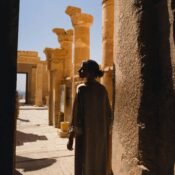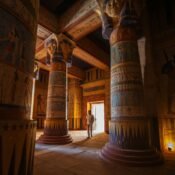
Places like the Pyramids of Giza, Khan El Khalili, and Luxor Temple draw large crowds every day. High foot traffic creates opportunities for quick-profit tactics aimed at travelers who don’t know the local norms or typical pricing.
The best defense against tourist scams in Egypt is awareness. Once you know the common traps, it becomes much easier to sidestep them.
Common Tourist Scams in Egypt and How to Avoid Each One
1) The “Helpful” Stranger Who Demands Money Later
Someone offers directions, photos, or “help” with tickets—then asks for payment afterward.
How to avoid it
-
Smile and say: “No, thank you.”
-
If you need help, ask an official employee or uniformed staff.
2) Fake or Unlicensed Guides
Some people claim they work for the government, a ministry, or the site itself.
How to avoid it
-
Ask to see an official guide license/ID before agreeing.
-
If they hesitate or get aggressive, walk away.
3) Overpriced Camel and Horse Rides
A price is mentioned casually, then changes mid-ride. Some handlers also demand extra money “to help you get down.”
How to avoid it
-
Agree on the exact price before getting on.
-
Confirm whether it’s per person, per ride, or per hour.
-
Pay only what you agreed—nothing more.
4) “Free” Gifts That Suddenly Aren’t Free
A vendor hands you a bracelet, bookmark, or souvenir and calls it a gift—then demands money.
How to avoid it
-
Don’t accept items you didn’t choose.
-
Keep your hands free and keep walking.
5) Taxi and Ride-Hailing Price Tricks
Some taxis refuse meters, take longer routes, or claim the app “isn’t working.”
How to avoid it
-
Use Uber or Careem where available (especially in Cairo and Alexandria).
-
If using a regular taxi, confirm the meter is on before moving.
-
If the driver refuses, get out and take another.
6) Fake Tickets Near Tourist Sites
Individuals outside attractions offer “discounted” tickets or “fast entry.”
How to avoid it
-
Buy tickets only from the official ticket counter or authorized kiosks.
-
Don’t hand over cash to anyone outside the entrance.
7) Shops Claiming to Be “Government-Owned” or “Certified”
Some stores use official-sounding language to justify inflated prices.
How to avoid it
-
Ignore claims like “state-owned” or “museum certified.”
-
Compare prices in more than one shop.
-
Bargain when appropriate.

8) Perfume and Papyrus “Demonstrations” That Turn Into Pressure
You’re invited for a “free demo,” then pushed into high-priced purchases. Some places sell diluted oils or fake papyrus.
How to avoid it
-
Only join a demo if you genuinely plan to shop.
-
Choose reputable stores with clear price lists.
-
If pressure starts, leave immediately.
9) The “No Photography Allowed” Trick
Someone says photos are banned—then offers to “allow” it for a fee.
How to avoid it
-
Check official signs or ask actual site staff.
-
Don’t pay random people for “photo permission.”
10) “Let Me Show You a Better View”
Someone offers a “hidden spot” or better angle at the pyramids or temples, then charges for it.
How to avoid it
-
Decline and keep moving.
-
Stick to marked paths and known viewpoints.
Fast Reference Table: Tourist Scams in Egypt vs Safe Alternatives
| Situation | Common Scam | Red Flag | Safer Move |
|---|---|---|---|
| Major sites (Giza, temples) | “Guide” approaches you | No license/ID | Use a licensed guide you booked |
| Entrances/ticket areas | “Discount tickets” | Sold outside gate | Buy only at official counter/kiosk |
| Camel/horse rides | Price changes mid-ride | “Per person” surprise | Confirm total price before mounting |
| Markets (bazaars) | “Free gift” becomes paid | Item forced into hand | Refuse and keep walking |
| Taxi rides | No meter / longer route | Meter off, vague price | Use Uber/Careem or insist on meter |
| Shop demos | High-pressure selling | “Just sit, no obligation” | Only enter if you want to buy |
How to Stay Safe and Confident in Egypt
Stay Firm but Polite
A calm “No, thank you” works most of the time. If someone keeps pushing, repeat once and walk away.
Learn Rough Price Expectations
You don’t need perfect knowledge—just enough to spot extremes. The biggest risk in tourist scams in Egypt is unclear pricing.
Quick reminders
-
Rides are negotiable—confirm terms.
-
Souvenirs vary widely—compare two shops.
-
Taxis should be metered or app-priced.
Stick to Licensed and Official Services
When possible, choose:
-
Licensed guides
-
Official ticket counters
-
Reputable tour and transport companies
Be Extra Alert Around Tour Buses
Scammers often target tourists stepping off buses because groups appear rushed or uncertain.
Keep Belongings Close in Crowded Areas
Egypt is generally safe, but crowded markets can attract pickpockets. Use a zipped bag and keep essentials secure.
What to Do If You Feel Pressured
If a situation feels uncomfortable, use this simple exit plan:
-
Stop engaging (no arguing, no negotiating)
-
Say: “No, thank you.”
-
Walk toward security or official staff
-
Remember: You’re not obligated to pay for anything you didn’t request
At major attractions, tourist police and security staff are typically present and can help if needed.
Which Approach Is Best for You?
Use this to match your travel style to the safest plan.
If You Want the Least Hassle
-
Book a licensed guide or reputable tour for major sites
-
Use Uber/Careem for city transport
-
Buy tickets only at official counters
If You Prefer Exploring Independently
-
Prepare a short list of typical prices and rules
-
Keep responses short and firm
-
Avoid “help” offers and stick to marked routes
If You’re Visiting Markets Like Khan El Khalili
-
Decide what you want before browsing
-
Compare prices at 2–3 stalls
-
Don’t accept gifts, demos, or “special deals” you didn’t ask for
4. FAQ Section
1) What are the most common tourist scams in Egypt?
The most common tourist scams in Egypt include unsolicited “help” followed by money demands, fake or unlicensed guides, surprise price hikes for camel rides, “free” gifts that become paid, taxi meter refusals, and fake ticket sellers outside attractions.
2) Are tourist scams in Egypt dangerous or mostly annoying?
Tourist scams in Egypt are usually more annoying than dangerous. Most involve pressure, confusion, or inflated prices rather than physical harm. Staying calm, refusing politely, and using official services reduces your risk dramatically.
3) How can I avoid camel and horse ride scams at the Pyramids?
To avoid camel and horse ride scams, agree on the total price before getting on, confirm whether it’s per person or per ride, and clarify ride duration. Pay only the agreed amount and avoid extra “tip demands” to dismount.
4) Should I use Uber or taxis in Egypt to avoid scams?
Using Uber or Careem is often the simplest way to avoid price tricks because the fare is set in the app. If you take a regular taxi, make sure the meter is on before the ride starts or choose another driver.
5) How do I know if a tour guide is licensed in Egypt?
A licensed guide should carry an official ID or license card and should not avoid showing it. If someone claims to be “government” or “site staff” but won’t provide identification, treat it as a red flag and walk away.
6) Can someone really sell “fast entry” tickets at attractions in Egypt?
In most cases, no—tickets should be purchased at official counters or authorized kiosks. People offering discounted or “fast entry” tickets outside the gates are a common tactic. Buying unofficial tickets risks losing money or being denied entry.
7) What should I do if someone pressures me to pay for something I didn’t ask for?
If pressured, stop engaging, say “No, thank you,” and walk away. Move toward security, tourist police, or uniformed staff. You are not obligated to pay for unsolicited services, photos, or “help” you never requested.
8) Is Khan El Khalili safe, and how do I avoid scams there?
Khan El Khalili is generally safe but can be intense due to bargaining and sales pressure. Avoid accepting “free” items or demos, compare prices at multiple stalls, keep valuables secure, and walk away from any situation that feels pushy.