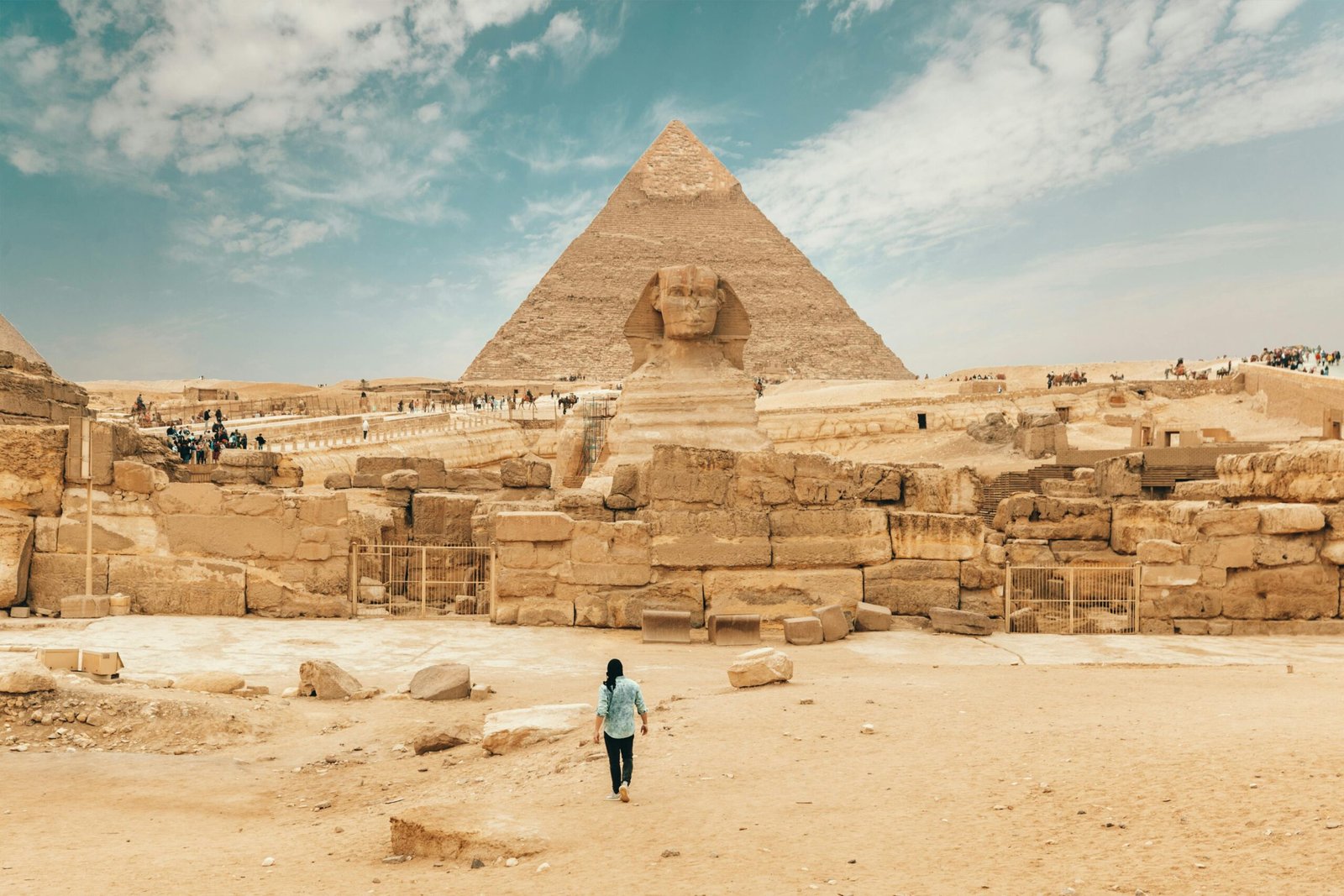
Is Egypt safe to visit? Yes—Egypt is generally safe to visit in the main tourist destinations when you follow basic precautions. Most travelers spend their time in Cairo, Giza, Luxor, Aswan, and Red Sea resorts, where tourism is well-established and security is visible.
That said, safety in Egypt depends on where you go. Some regions are not recommended for casual tourism, so planning your route is the biggest safety decision you’ll make.
Current Safety Overview: Where Egypt Is Usually Safe to Visit
For the majority of visitors, Egypt is safe to visit in:
-
Cairo and Giza (major attractions and central districts)
-
Luxor and Aswan (Upper Egypt’s main sightseeing cities)
-
Red Sea resorts like Hurghada and Sharm El Sheikh
These places are built around tourism, with organized entry systems at major sites and a large hospitality network.
Areas to Avoid in Egypt
If you’re asking “Is Egypt safe to visit everywhere?” the honest answer is no—some areas are regularly listed in official advisories as higher-risk.
Commonly highlighted higher-risk zones include:
-
Northern and Middle Sinai
-
Remote Western Desert areas (especially far from main roads)
-
Border areas (particularly near Libya and Sudan)
-
Certain inland zones in South Sinai away from the main coastal resort strips
Also avoid:
-
Demonstrations and large protests
-
Unfamiliar isolated areas at night, especially if you’re alone
Comparison Table: Safer Tourist Circuit vs Higher-Risk Areas
| Category | Examples | What it means for your trip |
|---|---|---|
| Generally tourist-friendly | Cairo, Giza, Luxor, Aswan, Hurghada, Sharm El Sheikh | Most typical itineraries focus here |
| Higher-risk / restricted | Northern & Middle Sinai, remote Western Desert areas, border zones | Best avoided unless with licensed operators and strong planning |
Crime and Scams: What Tourists Deal With Most
For most people, the main issues are not serious crime—they’re tourist scams and petty theft in crowded areas.
Common problems:
-
Overcharging and inflated “tourist pricing”
-
Pushy “help” you didn’t ask for
-
Fake guiding or pressure tactics near entrances
-
Pickpocketing in busy markets
Simple ways to avoid headaches:
-
Use licensed guides for major sites if you want help
-
Agree on prices before any service (rides, photos, camel/horse, souvenirs)
-
Keep valuables secure (zippers closed, phone in front pocket/bag)
-
Walk away calmly if someone gets persistent
Terrorism Risk: What Travelers Should Know
Some regions have higher security concerns than others, which is why official advisories often list specific areas to avoid. In the main tourist cities and resorts, you’ll typically notice visible security measures at large attractions and transport hubs.
Practical takeaway:
-
Stick to the main tourist circuit unless you have a strong reason not to
-
Follow local rules around checkpoints and restricted zones
-
Don’t take “shortcuts” through remote areas

Health and Practical Safety in Egypt
Even when personal security feels fine, heat and dehydration can ruin a trip faster than anything else.
Key health habits:
-
Drink bottled or properly filtered water
-
Use sunscreen, hat, and light breathable clothing
-
Sightsee early (sunrise to late morning is ideal)
-
Take breaks during peak heat hours
-
Consider travel insurance that includes medical support
Transport Safety: How to Move Around More Safely
Traffic can be intense in big cities, so your transport choices matter.
Best options for many tourists:
-
Ride-hailing apps where available (often easiest in Cairo/Giza)
-
Hotel-arranged taxis for airport pickups if you want simplicity
-
Reputable drivers for full-day sightseeing
For long distances:
-
Domestic flights are fast and popular
-
Sleeper trains are commonly used on longer routes
-
Use well-known companies for buses if you’re traveling on a budget
Social and Cultural Considerations
Respecting local customs often makes travel feel smoother and safer.
Helpful norms:
-
Dress modestly at religious sites and in rural areas
-
Ask permission before photographing people
-
For women traveling alone, tourist-friendly areas and reputable transport usually improve comfort significantly
Red Sea & Resort Safety
If you want the “easiest” part of Egypt for many travelers, Red Sea resorts often feel very straightforward.
Smart checks for water activities:
-
Book diving/snorkeling with reputable operators
-
Follow safety briefings and equipment checks
-
Avoid boating in poor weather conditions
Which Travel Style Is Safest for You?
Choose the classic tourist route if you want the smoothest experience
Cairo/Giza + Luxor/Aswan + Red Sea resorts.
Choose guided travel if you want extra simplicity
Licensed guides and reputable tour operators reduce stress with tickets, timing, and logistics.
Avoid remote routes if you want fewer risks
Skip border zones and deep desert travel unless it’s professionally organized.
Bottom Line
Is Egypt safe to visit? Yes—Egypt is safe to visit for most tourists in the main destinations when you take sensible precautions. The biggest risks are usually scams, traffic, heat, and choosing the wrong regions. Plan smart, stay aware, and you can have an unforgettable trip.
4. FAQ Section
1) Is Egypt safe to visit for tourists in Cairo and Giza?
Yes, for most visitors Egypt is safe to visit in Cairo and Giza when you stick to tourist-friendly areas, use reliable transportation, and stay alert in crowded markets. Expect busy streets and occasional scams, but serious issues are uncommon for typical sightseeing routes.
2) What areas should tourists avoid in Egypt?
Tourists commonly avoid Northern and Middle Sinai, some remote Western Desert areas, and border zones near Libya and Sudan due to higher security risks. It’s also wise to avoid demonstrations and isolated areas at night, especially if you’re unfamiliar with the neighborhood.
3) Is Egypt safe to visit for solo travelers?
Yes, Egypt is safe to visit for many solo travelers who plan their routes well and use reputable transport. Staying in well-known neighborhoods, booking guides for major sites when needed, and being firm with pushy sellers can make solo travel feel much easier and safer.
4) Is Egypt safe to visit for solo female travelers?
Many women visit Egypt safely, especially in major tourist cities and resort areas. Modest clothing, using reputable transport, choosing well-reviewed hotels, and setting clear boundaries help reduce unwanted attention and make the experience more comfortable for solo female travelers.
5) What are the most common scams tourists face in Egypt?
Common scams include overcharging, unrequested “help” followed by demands for money, and pressure tactics near popular attractions. The best defense is agreeing on prices upfront, using official ticket points, and walking away calmly if a situation feels uncomfortable.
6) Is transport safe in Egypt for tourists?
Transport is widely used by tourists, but traffic can be chaotic in large cities. Ride-hailing apps or hotel-arranged taxis are often easier than street-hailing. For long distances, domestic flights and sleeper trains are commonly used options for travelers.
7) Do I need travel insurance for Egypt?
Travel insurance is strongly recommended for Egypt because it can cover medical issues, trip disruption, and unexpected emergencies. This is especially useful if you plan long-distance travel within the country, desert excursions, or water activities like diving and snorkeling.
8) Is the Red Sea area safe to visit in Egypt?
Red Sea resort areas like Hurghada and Sharm El Sheikh are popular and typically feel very tourist-oriented. Hotels often have strong security and activities are professionally organized, but travelers should still book water trips with reputable operators and follow safety instructions.